
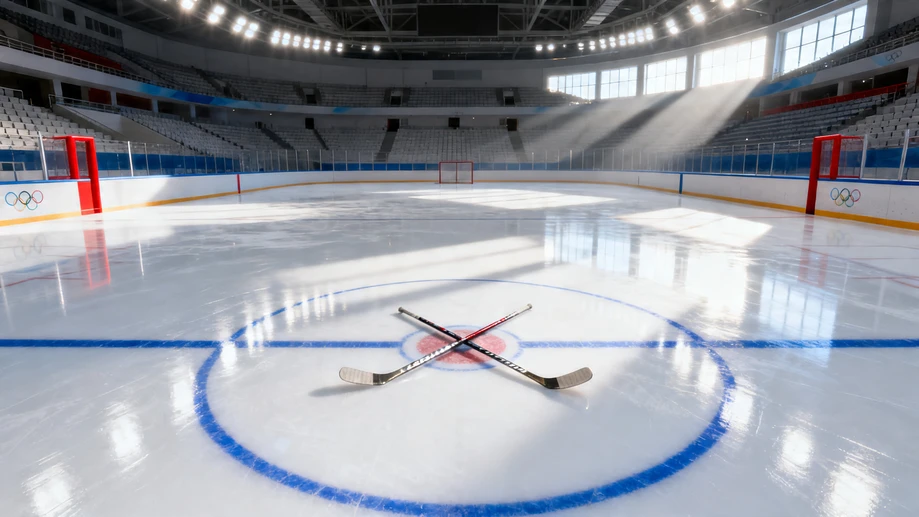
The Frozen Battlefield: Decoding Ice Hockey's Olympic Evolution
From pond origins to Olympic glory, explore how this high-velocity team sport became a Winter Games cornerstone.
Picture a frozen pond in 19th-century Canada where soldiers adapted field hockey to icy conditions, using curved sticks and wooden pucks. This humble beginning birthed ice hockey, a sport that would explode in complexity and speed. When the Winter Olympics debuted in 1924, ice hockey was among the crown jewels, though only men competed until 1998. The Olympic stage transformed hockey from regional pastime to global spectacle, with nations like Canada, Russia, and Sweden turning matches into geopolitical dramas played out on ice.
Modern Olympic hockey follows IIHF rules with unique adaptations: smaller rinks than the NHL create faster, more physical play. Games consist of three 20-minute periods with sudden-death overtime during knockout stages. The offside rule—requiring attacking players to enter the offensive zone after the puck—and icing violations prevent cheap territorial advantages. Yet the true heart lies in line changes: players substitute mid-play in 45-second bursts, maintaining relentless pressure. This fluid ballet of substitutions separates Olympic hockey from static sports.
Transitioning to equipment reveals engineering marvels. Carbon-fiber composite sticks replaced wood in the 2000s, allowing whip-like shots exceeding 100 mph. Goalies wear up to 50 pounds of protection—leg pads resembling robotic armor and catcher gloves with trapper nets. The vulcanized rubber puck, frozen before games to prevent bouncing, withstands impacts that would shatter concrete. Even the ice demands precision: Olympic venues maintain surfaces at 24°F (-4°C) with underfloor refrigeration, ensuring glass-like consistency for puck glide.
Strategically, Olympic hockey blends chess-like planning with split-second instincts. Power plays after penalties create 5-on-4 advantages where teams deploy "umbrella formations" with defenders at the blue line. The neutral zone trap—clogging center ice to force turnovers—sparks fiery debates about defensive versus entertaining play. Goaltending styles have radically evolved: the stand-up technique of the 1980s gave way to modern butterfly goalies who drop to their knees, covering the net's bottom with padded legs.
Women's Olympic hockey deserves special attention. Since its 1998 debut, the sport showcased unprecedented growth. Early Canadian and American dominance pushed other nations to invest, narrowing gaps dramatically. The 2022 final saw Canada edge the US 3-2 in a game featuring faster puck movement and more creative dekes than early tournaments. This accelerated evolution proves how Olympic inclusion drives technical advancement across genders.
Looking ahead, climate change presents challenges. Natural ice rinks are disappearing in traditional hockey regions, forcing reliance on artificial facilities. Meanwhile, the NHL's intermittent Olympic participation threatens star power at future Games. Yet hockey's Olympic essence remains: that breathtaking moment when a breakaway skater charges toward the net, puck dancing on their blade as a nation holds its breath. It's raw human drama wrapped in subzero temperatures.