
The Ice Rocket: What Makes Skeleton the Wildest Winter Olympic Sport?
Discover the physics, history, and sheer adrenaline behind hurtling headfirst down an icy chute at 130+ km/h.
Imagine lying face down on a small sled, your chin mere centimeters above the ice, accelerating from 0 to 130 kilometers per hour in under 5 seconds. This isn't science fiction; it's the reality for Olympic skeleton athletes. The sport's defining feature – the headfirst descent – creates an unparalleled sensory experience, where the ice blurs beneath the competitor's visor and the roar of the sled's steel runners fills their ears. The track walls become a dizzying rush, demanding absolute precision and nerve control. Unlike its cousin, luge, where athletes ride feet first, skeleton's prone position amplifies the sensation of speed and vulnerability, making it arguably the most visceral event in the Winter Games.
Despite its high-tech appearance, skeleton's origins are surprisingly humble. Emerging in the late 19th century in the Swiss resort town of St. Moritz, the first "skeleton" sleds were, quite literally, repurposed from other uses – some accounts suggest they were adapted from delivery sleds or even trays! The Cresta Run, built in 1884, became its spiritual home. Yet, the sport's journey to Olympic inclusion was long and winding. It debuted at the 1928 St. Moritz Games, vanished for decades, and only returned permanently in 2002. This rich history contrasts sharply with its modern, highly engineered incarnation, showcasing the evolution from daredevil pastime to precision sport.
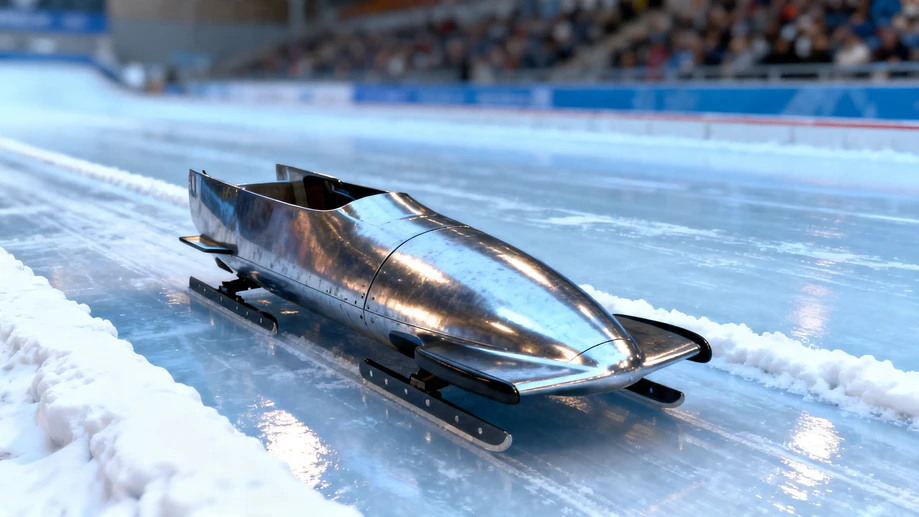
The modern skeleton sled is a marvel of focused engineering, governed by strict regulations to maintain fairness. Constructed primarily from lightweight steel and fiberglass, its design prioritizes aerodynamics and minimal friction. The critical components are the two highly polished steel runners underneath, which are meticulously maintained and adjusted for temperature and ice conditions. Athletes wear specialized, aerodynamic suits and helmets with integrated chin guards. However, the most crucial piece of equipment is arguably the athlete's spiked shoes. These shoes, worn only for the explosive start, feature hundreds of tiny spikes on the toes, allowing runners to dig into the ice and generate maximum initial thrust before leaping onto the sled. This initial push, often determining hundredths of a second, is where races can be won or lost.
Mastering skeleton requires a unique blend of physical attributes and mental fortitude. While explosive power for the start is vital, core strength and flexibility are paramount for controlling the sled's minute shifts in weight during the descent. Athletes steer not with a rudder, but through subtle shoulder, knee, and toe pressure applied to the sled's frame, navigating the labyrinth of curves by feeling the G-forces pressing them into the ice. Training involves countless hours perfecting the sprint start on specialized push tracks, intense weightlifting for power, and extensive video analysis of runs. But perhaps the most demanding aspect is developing the mental resilience to remain utterly calm and focused while hurtling down the track, experiencing forces exceeding 5Gs in some corners, knowing that the slightest twitch can send the sled careening into the wall.
Naturally, the inherent risks of skeleton are a constant topic. Reaching speeds exceeding 130 km/h with minimal protection inches above a concrete-hard ice surface raises significant safety concerns. Crashes, though infrequent at the elite level due to immense skill, can be severe. Governing bodies continuously refine track design, implement mandatory safety gear like the chin guard, and enforce strict sled regulations. The sport's safety protocols are rigorous, involving track inspections and athlete briefings. But the debate about acceptable risk versus the pursuit of ultimate human performance continues. The very danger, paradoxically, contributes to the sport's raw appeal and the immense respect commanded by its athletes.
Looking ahead, skeleton faces both challenges and opportunities. Its niche status and the high cost of track access limit widespread participation. However, its unique blend of speed, skill, and nerve continues to captivate Olympic audiences. Technological advancements in materials science and aerodynamics will likely push speeds even higher, demanding even greater precision from athletes. Efforts to make tracks and training more accessible are crucial for its growth. As long as there are athletes willing to embrace the ultimate headfirst challenge, the "Ice Rocket" will remain a thrilling, awe-inspiring fixture of the Winter Olympics, a testament to human courage and the relentless pursuit of speed on the edge.