
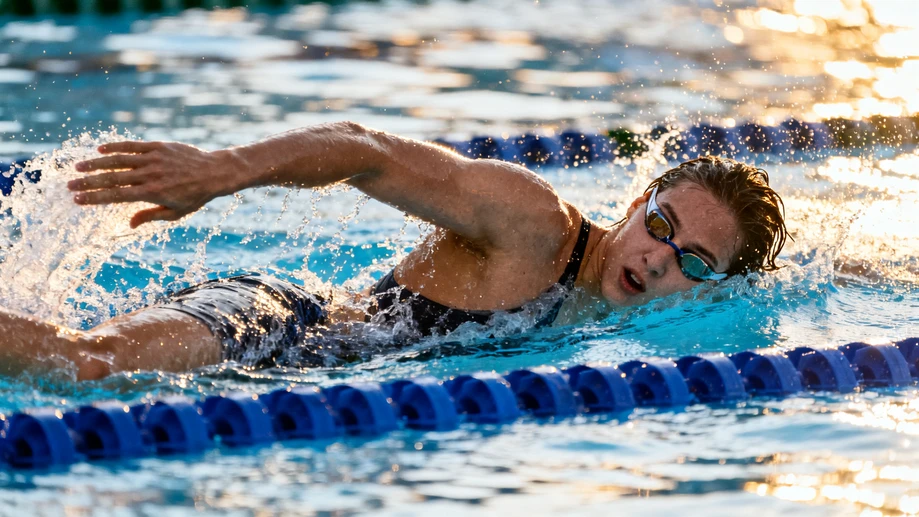
Unveiling the Hidden Mechanics That Make Olympic Butterfly Swimming So Thrilling
Delving into the physics and physiology behind one of swimming's most demanding events, revealing secrets to elite performance.
Olympic butterfly swimming stands out as a breathtaking spectacle, captivating audiences with its rhythmic undulations and explosive power. Yet, beneath the surface of this visually stunning event lies a complex interplay of science that few spectators fully grasp. This stroke, often hailed as the most challenging in competitive swimming, demands not just athleticism but a deep understanding of hydrodynamic principles. As swimmers slice through the water with dolphin-like motions, they harness forces that transform human movement into art. Understanding these mechanics not only enhances appreciation for the sport but also demystifies why elite athletes push their limits in pursuit of gold.
The evolution of butterfly swimming from its origins adds another layer to its intrigue. Initially developed in the 1930s as a variation of breaststroke, it was later formalized into a separate discipline due to its unique undulating body motion. By 1956, it debuted as an Olympic event, marking a pivotal shift in competitive swimming history. This transition wasn't just about rule changes; it reflected advancements in sports science, where coaches and athletes began experimenting with wave-like techniques to reduce drag and increase speed. Over decades, refinements in stroke mechanics emerged, driven by innovations in underwater filming and biomechanical analysis. However, the real breakthrough came with recognizing how the human body acts as a flexible lever, propelling forward through coordinated muscle contractions. Moving from history to technique reveals how these insights translate into split-second decisions in the pool.
Analyzing the biomechanics of butterfly swimming uncovers the core elements that differentiate it from other strokes. Central to this is the undulating body wave, where swimmers generate power from their core muscles, creating a whip-like motion that travels from shoulders to hips and down to the feet. This wave action minimizes resistance by aligning the body with water flow, while the arm stroke—a simultaneous overhead recovery and powerful underwater pull—maximizes thrust. Breathing patterns are equally critical; athletes must time inhalations precisely during the upstroke phase to avoid disrupting rhythm, a feat that requires exceptional lung capacity and coordination. Research shows that optimizing these aspects can shave milliseconds off race times, highlighting why even minor adjustments are meticulously drilled. But mastering such techniques doesn't happen overnight; it demands relentless training that builds on these scientific foundations.
Training regimens for butterfly swimmers blend physical conditioning with technical precision, transforming scientific principles into competitive edges. Workouts often start with dryland exercises, focusing on core strength and flexibility through planks, medicine ball drills, and yoga-like stretches to enhance the undulating motion. In the water, sessions emphasize stroke efficiency, using tools like underwater cameras for real-time feedback on body alignment and kick timing. Endurance is honed through high-intensity interval sets, where swimmers repeat short bursts at race pace to build stamina without sacrificing form. Nutrition and recovery play supporting roles, with tailored diets fueling muscle repair and sleep optimizing neural adaptations. This holistic approach ensures athletes can sustain the stroke's demands over 200-meter races, where fatigue can erode technique. Yet, the true test comes in Olympic arenas, where these preparations face the ultimate scrutiny.
Olympic performances in butterfly swimming showcase the culmination of science and skill, with record-breaking moments that inspire awe. Events like the 100-meter and 200-meter races have seen legends like Michael Phelps demonstrate near-perfect execution, where milliseconds determine medals. Recent games highlight trends toward younger athletes leveraging data analytics, such as motion sensors that track stroke efficiency in real-time, pushing boundaries beyond human intuition. Looking ahead, innovations like AI-driven training simulations promise to refine techniques further, potentially unlocking new levels of speed and endurance. As the sport evolves, the butterfly stroke remains a testament to human ingenuity, proving that behind every gold medal lies a symphony of physics and physiology. For fans and aspiring swimmers alike, appreciating this depth transforms viewing from passive entertainment to an educational journey.