
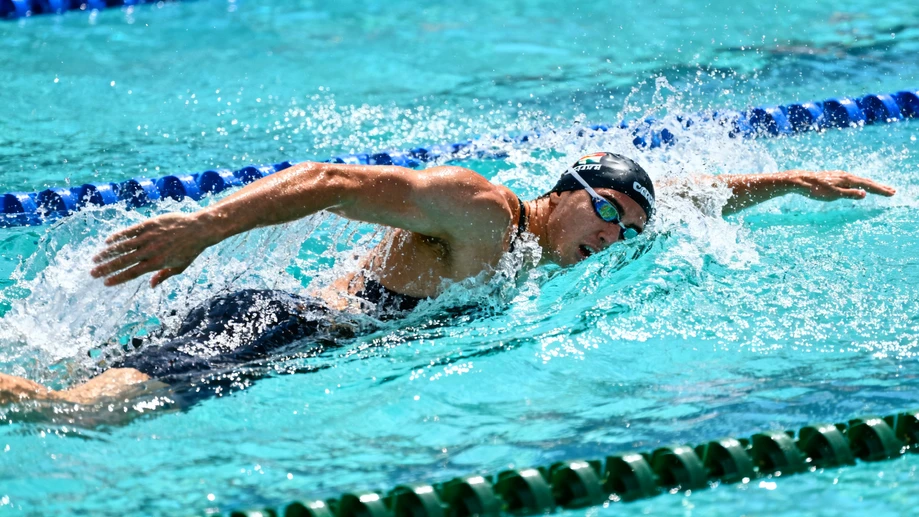
The Hidden Secrets Behind the Olympic Butterfly Stroke
Discovering the intricate techniques that make the butterfly stroke the most challenging event in swimming.
The butterfly stroke stands as one of the most visually captivating and physically demanding disciplines in Olympic swimming, first introduced in the 1956 Melbourne Games. Unlike freestyle or backstroke, it requires a unique combination of power and precision, with swimmers executing simultaneous arm movements and an undulating dolphin kick to propel themselves through the water. This event tests athletes' endurance and coordination to the extreme, often separating champions from contenders in mere fractions of a second. Historically, it has produced iconic moments, such as Michael Phelps' dominance, yet its complexity lies beneath the surface—where minute adjustments in technique can mean the difference between gold and elimination. As we delve into the mechanics of this stroke, we uncover why it remains a pinnacle of aquatic athleticism, pushing human limits in every Olympic cycle.
At its core, the butterfly stroke's effectiveness hinges on mastering a rhythmic, wave-like body motion that starts from the chest and flows through to the hips and legs. Swimmers must synchronize their arms in a powerful, circular pull that sweeps outward and backward, generating maximum thrust while minimizing drag. The dolphin kick, often described as a "whip-like" action, involves both legs moving together in an up-and-down motion, originating from the hips rather than the knees. This dual action creates a propulsive force that lifts the body slightly out of the water during each stroke cycle, reducing resistance and increasing speed. For instance, elite athletes like those in recent Olympics maintain a high stroke rate of 50-60 cycles per minute, relying on core strength to sustain this intensity. However, this efficiency comes at a cost: improper timing can lead to energy wastage, making it crucial for competitors to perfect their form through relentless practice.
Despite its elegance, the butterfly stroke is fraught with common pitfalls that derail even seasoned swimmers. One major challenge is maintaining breath control without disrupting the stroke's flow; athletes must lift their heads minimally during inhalation, which often causes the hips to drop and increases drag. Another frequent error is over-relying on arm strength, neglecting the critical role of the dolphin kick—this imbalance leads to fatigue and slower times. In high-pressure Olympic settings, these mistakes are magnified, as seen in races where swimmers fade in the final meters due to poor energy management. To address this, coaches emphasize drills focusing on body alignment and kick efficiency, such as underwater filming to analyze hip undulation. This transition from problem identification to solution highlights how incremental improvements can transform a swimmer's performance, turning weaknesses into strengths on the world stage.
Advancements in training methodologies have revolutionized how athletes prepare for the butterfly stroke in Olympic competitions. Modern programs incorporate biomechanical analysis, using motion-capture technology to study stroke efficiency without invasive sensors. Swimmers engage in dry-land exercises like core workouts and plyometrics to build the explosive power needed for dolphin kicks, while pool sessions emphasize interval training to simulate race conditions. Nutrition and recovery protocols, including hydration strategies and sleep optimization, play a vital role in sustaining peak performance. As a result, today's Olympians achieve faster times than ever before, with records consistently broken due to these holistic approaches. This progression underscores the sport's evolution, where science and athleticism merge to push boundaries, ensuring that the butterfly stroke remains a thrilling spectacle of human achievement.
Looking ahead, the butterfly stroke's legacy in the Olympics promises continued innovation and inspiration. As new generations of swimmers emerge, they bring refined techniques that build on decades of knowledge, potentially lowering world records further. The event's demanding nature fosters resilience and sportsmanship, embodying the Olympic spirit of excellence. Ultimately, understanding its secrets not only enhances appreciation for the sport but also motivates aspiring athletes worldwide to embrace the challenge, proving that mastery of this stroke is a testament to dedication and skill. In future Games, expect the butterfly to captivate audiences with its blend of grace and grit, forever etching its place in swimming history.