
From Ski Jump to Cross-Country: The Ultimate Test of Winter Athletic Prowess!
Discover the demanding world of Nordic Combined, where soaring flight meets grueling endurance on snow.
Imagine standing alone atop a towering ski jump, the biting cold air stinging your face, gazing down a steep, icy track that seems to plummet into the void. The silence is profound, broken only by the wind. This is the singular moment of focus and courage that begins every Nordic Combined competition. Athletes must harness pure speed and explosive power, launching themselves into the air, striving for both distance and perfect Telemark landing form. The slightest error in take-off timing, body position, or landing can cost precious points. It's a breathtaking spectacle of human flight, demanding nerves of steel and impeccable technique.
Transitioning from the adrenaline-fueled, high-precision world of ski jumping to the relentless, lung-burning demands of cross-country skiing is a physiological and psychological shift unlike any other in sport. After the jump concludes and the scores are tallied, athletes face a critical conversion: the time or point differences from the jump translate into staggered starting times for the subsequent cross-country race. The leader starts first, and others follow at intervals reflecting their jump deficit. This sets the stage for a thrilling chase across the snow-covered trails. The athlete who soared highest and farthest now must prove they possess the engine to sustain punishing speeds over distances typically ranging from 5km to 10km, depending on the format.
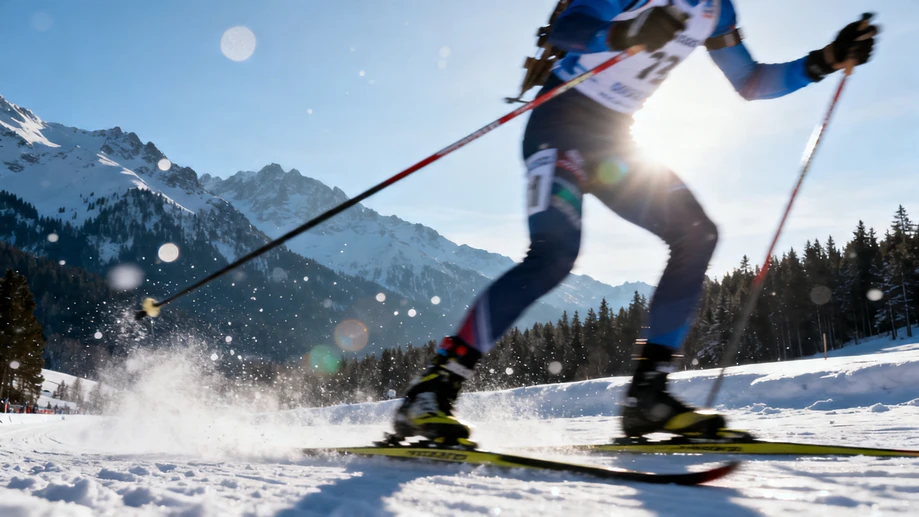
The cross-country leg is where raw endurance and strategic brilliance come into play. Competitors use the freestyle (skating) technique, pushing themselves to the absolute limits of cardiovascular capacity. It’s a race against the clock and, more viscerally, against each other in a high-speed pursuit. Spectators witness the dramatic unfolding of the event as athletes who excelled in the jump try to defend their lead against powerful skiers who might have gained less air but possess formidable stamina. The sight of a skier gradually reeling in the leader over the final kilometers, fueled by sheer willpower, is one of the most compelling in the Winter Games. Tactics like drafting, pacing, and knowing when to surge are crucial.
Mastering Nordic Combined requires an almost contradictory blend of physical attributes. Ski jumpers benefit from a leaner, more aerodynamic build to achieve flight, while cross-country skiers need powerful legs, exceptional cardiovascular fitness, and muscular endurance. Competitors must train both disciplines intensely, constantly balancing the need for explosive power and jump technique with the development of an elite aerobic engine. The equipment is also specialized: long, wide skis for jumping stability versus shorter, lighter skis designed for speed and glide on the cross-country track. The preparation involves meticulous attention to ski jumping hill familiarity and countless hours logging kilometers on cross-country trails, often in harsh winter conditions. Even the waxing of cross-country skis becomes a critical factor, influencing glide efficiency significantly over the race distance.
Witnessing a Nordic Combined event offers a unique appreciation for the versatility and resilience of the athletes. It’s a sport that truly embodies the Olympic spirit, demanding excellence in two vastly different disciplines within a single competition. The journey from the solitary, high-pressure launch off the jump to the gritty, tactical battle on the ski trails showcases the full spectrum of winter sports athleticism. The ultimate winner isn't just the best jumper or the fastest skier; they are the most complete winter athlete, having conquered the sky and the snow in one extraordinary test. It stands as a powerful testament to human dedication and the pursuit of multifaceted excellence on the grandest winter stage.