
Ice Warriors: The Science and Speed of Olympic Luge Racing
Uncover the thrilling world of luge, where athletes defy gravity at breakneck speeds on icy tracks, blending physics with precision.
Luge, often dubbed the fastest sport on ice, traces its roots to the snowy slopes of Switzerland in the 19th century. Originally a practical mode of winter transport for locals, it evolved into a competitive discipline as enthusiasts raced down hills on rudimentary sleds. The sport gained formal recognition in the 1960 Winter Olympics, transforming into a global spectacle. Today, luge remains a staple of the Winter Games, symbolizing the human quest for speed and control in extreme environments. Its historical journey from humble beginnings to Olympic grandeur highlights how innovation and passion can elevate a simple pastime into a high-stakes athletic pursuit.
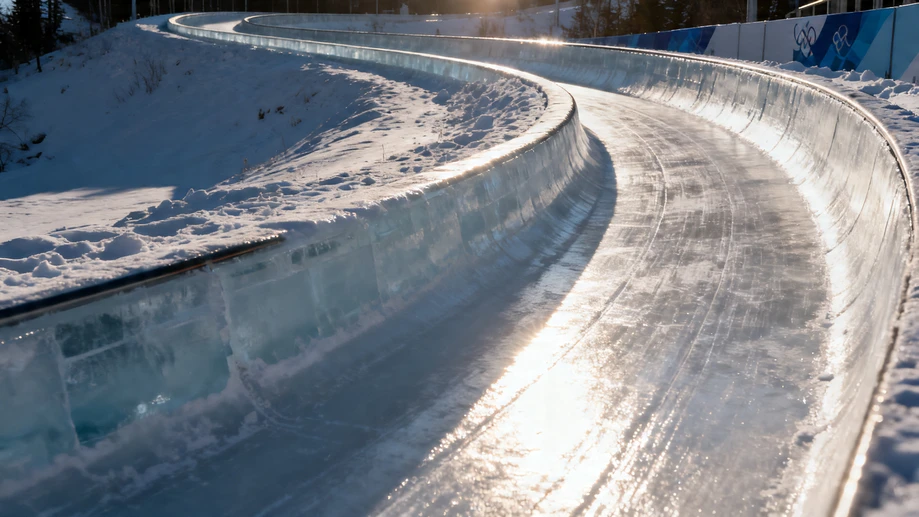
Yet, the modern luge is governed by strict rules and advanced equipment that make it distinctively perilous. Competitors lie flat on small, aerodynamic sleds, feet-first, as they navigate a serpentine ice track. Races are timed to the thousandth of a second, with tracks typically measuring around 1,000 to 1,500 meters in length and featuring drops that create speeds exceeding 140 kilometers per hour. Essential gear includes lightweight helmets, streamlined suits to reduce drag, and specially designed sleds with steel runners for optimal gliding. But safety is paramount; tracks are meticulously crafted with banked curves and padding to minimize collisions, while athletes undergo rigorous fitness tests to handle the intense G-forces.
Mastering luge demands extraordinary skill, where milliseconds decide victory and training is as intense as the races themselves. Athletes spend years honing their body positioning—keeping the head low and legs taut to maximize aerodynamics—and perfecting steering techniques using subtle leg and shoulder movements. Training regimens blend strength exercises for core stability with mental conditioning to combat the fear of high-speed crashes. Surprisingly, this sport attracts individuals with exceptional spatial awareness and reflexes, who often start in youth programs that simulate real tracks. The transition from amateur to elite level involves countless hours of ice time, turning raw talent into the split-second decisions that define Olympic champions.
However, the inherent risks of luge cannot be ignored, prompting continuous advancements in safety protocols to protect athletes from life-threatening incidents. Accidents, though rare, can occur due to factors like track imperfections or human error, leading to injuries such as fractures or concussions. To mitigate this, innovations include reinforced helmets with impact sensors, track modifications like artificial refrigeration for consistent ice quality, and emergency response teams stationed at key points. These measures have significantly reduced fatalities over decades, making the sport safer without diluting its adrenaline-fueled essence. The evolution of safety highlights a delicate balance: preserving luge’s thrilling nature while ensuring it remains a viable Olympic discipline for generations.
Ultimately, luge’s prominence in the Winter Olympics elevates it beyond a mere sport, embodying the spirit of human endurance and technological progress. Iconic moments, such as record-breaking runs at venues like Pyeongchang or Beijing, captivate audiences with their blend of danger and artistry. Looking ahead, luge faces challenges like climate change affecting natural ice tracks, but innovations in artificial track design promise to sustain its growth. As a cornerstone of winter sports, it inspires future athletes to push boundaries, proving that beneath the icy surface lies a realm of unwavering determination and scientific wonder.