
The Razor's Edge: What Secrets Lie in Short Track Speed Skating's High-Speed Drama?
Unveiling the thrilling blend of strategy and peril that defines this Olympic ice sport, where every turn can make or break a champion.
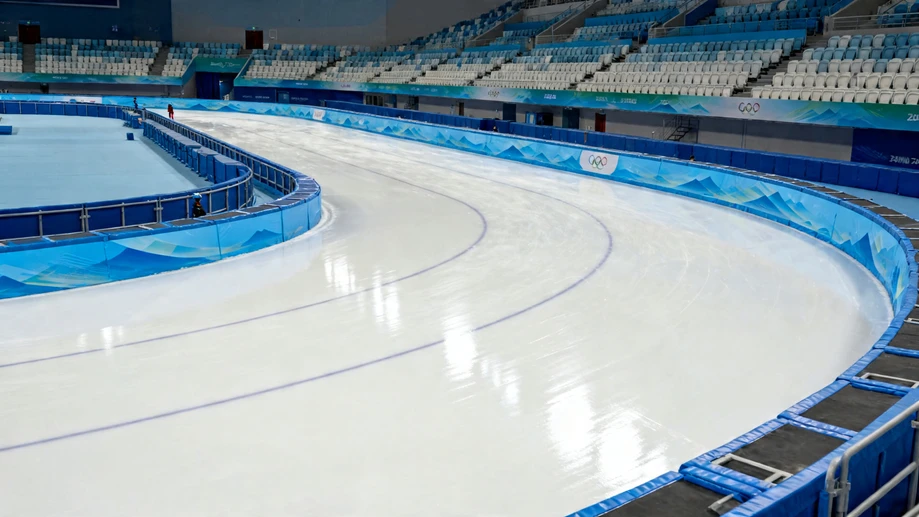
Short track speed skating, a heart-pounding spectacle in the Winter Olympics, traces its origins to the early 20th century when skaters in North America and Europe adapted traditional long track events for smaller, indoor rinks. Unlike its more measured counterpart, this discipline emphasizes agility over pure speed, evolving into a global phenomenon after debuting at the 1988 Calgary Games. The compact oval track, typically 111 meters in length, forces competitors into tight corners, creating a dynamic that demands split-second reflexes. However, this intense environment isn't just about raw athleticism; it's a carefully crafted arena where physics and human endurance intertwine, setting the stage for the high-stakes battles that captivate audiences worldwide.
Transitioning to the core mechanics, the rules of short track are deceptively simple yet fraught with complexity: skaters race in heats of four to eight athletes, vying for position over multiple laps, with the first across the line advancing. Key equipment includes specialized low-cut boots for enhanced ankle mobility and carbon-fiber blades that grip the ice during sharp turns, all designed to minimize friction while maximizing control. Protective gear, such as cut-resistant suits and hard-shell helmets, is mandatory to mitigate risks from frequent collisions. Moreover, the sport's scoring system rewards not just speed but tactical brilliance, like drafting behind opponents to conserve energy or executing daring overtakes in the final stretch. This intricate balance transforms each race into a chess match on ice, where even minor missteps can cascade into dramatic pile-ups.
Building on this foundation, the strategic depth elevates short track beyond mere velocity. Skaters must constantly read the ice and opponents, employing techniques like the "slingshot" maneuver to gain momentum off corners or the "block" to defend positions. Such tactics heighten the inherent danger, as high speeds—often exceeding 50 km/h—amplify the impact of falls, leading to common injuries like concussions or fractures. Yet, advancements in training, such as video analysis and simulated race drills, have refined safety protocols, allowing athletes to push boundaries while minimizing harm. Consequently, the sport's appeal lies in its raw unpredictability; a leader can tumble in an instant, turning underdogs into heroes and underscoring why it's often dubbed the "gladiator sport" of winter.
In the broader Olympic context, short track speed skating stands as a testament to human resilience and innovation. Its inclusion has spurred technological progress in ice maintenance and gear design, ensuring fairer, safer competitions. Looking ahead, the sport continues to evolve, with emerging nations embracing its fast-paced nature, promising even fiercer rivalries in future Games. Ultimately, this electrifying event not only showcases athletic excellence but also embodies the Olympic spirit of perseverance, making it a cornerstone of winter sports lore that leaves spectators breathless with every race.