
Why Do They Yell? Decoding the Fascinating World of Curling, the "Chess on Ice"
Unravel the strategy, skill, and surprising athleticism behind this unique and captivating Winter Olympic sport.
The thunder of granite on ice, the frantic sweeping, the booming shouts of "HARD! HARD!" – Curling presents a unique spectacle at the Winter Olympics. Dubbed "chess on ice" for its intricate strategy, this sport combines precision, physics, teamwork, and a surprising level of fitness into a captivating game. Far removed from the high-speed thrills of skiing or the aerial acrobatics of freestyle, curling demands patience, finesse, and a sharp tactical mind. To the uninitiated, it might seem like an elaborate shuffleboard game played on ice, but a deeper look reveals a fascinating sport rich in tradition and complexity.
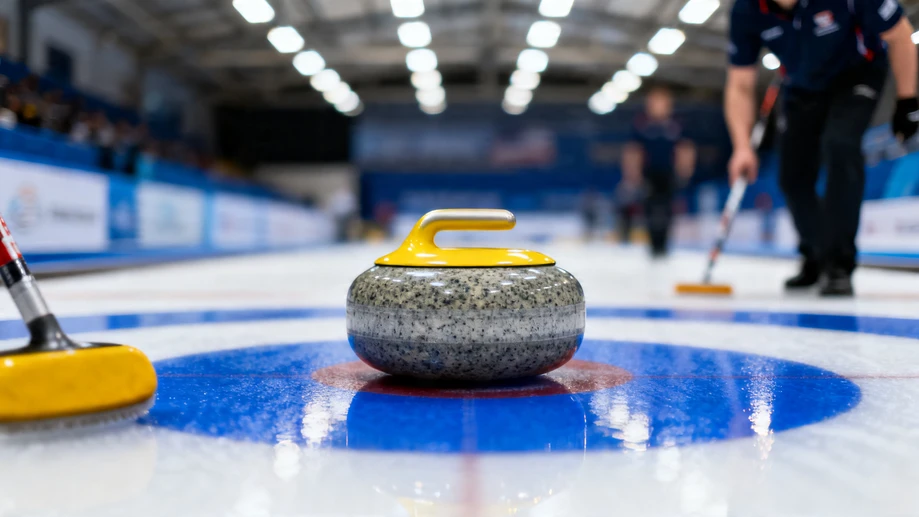
Played on a meticulously prepared sheet of pebbled ice stretching approximately 150 feet long and 15 feet wide, the objective is deceptively simple: slide heavy, polished granite stones ("rocks") towards a target area, called the "house," marked by concentric circles at each end. The team with the stone closest to the exact center ("button") of the house when all stones have been thrown scores points. However, achieving this demands incredible precision. Each rock weighs nearly 20 kilograms (44 lbs), and players must slide it with just the right weight and direction, aided only by the friction-reducing effect of their teammates' frantic sweeping in front of its path.
This is where the shouting comes in. Communication is paramount. The player delivering the stone is focused solely on their slide and release. The skip, the team captain stationed at the far end of the sheet, dictates strategy and calls the shots. They watch the rock's trajectory, speed, and curl like a hawk, yelling instructions (primarily "Hurry! Hard!" or variations meaning sweep harder, and "Whoa!" meaning stop sweeping) to the sweepers who instantly respond. Sweeping is no mere chore; it is intensely physical. By vigorously brushing the ice in front of the moving stone with specialized brooms, sweepers create microscopic heat that slightly melts the ice pebbles, reducing friction and allowing the stone to travel farther, faster, or straighter. The skip's calls, guiding the sweepers' efforts, are crucial in nudging the stone a few crucial inches closer to perfection.
A team consists of four players: the lead, second, vice-skip (or third), and skip. Each throws two stones per "end" (similar to an inning in baseball), alternating throws with the opposing team. The lead throws the first stones, aiming for strategic positioning. The second follows, often building guards or attacking opponents' stones. The vice-skip, typically possessing high accuracy, plays crucial setup shots and acts as the skip's deputy. The skip, usually the most experienced tactician, throws the last two stones, responsible for delivering the decisive scoring or defensive plays under immense pressure. This sequence demands seamless teamwork and constant tactical adjustment based on the evolving arrangement of stones.
Strategy is the soul of curling. Every throw considers not only placement of the current stone but also potential future shots. Teams deploy rocks as guards (blocking opponents from targeting scoring stones), draws (sliding rocks into scoring positions), takeouts (knocking opponents' stones out of play), and raises (using one stone to nudge another into a better spot). Complex maneuvers like double or triple takeouts, where one shot removes multiple opponents' stones, are crowd-pleasing highlights. The skip constantly calculates angles, weights, and the ice "curl" (the curved path every stone follows), weighing aggression against risk, making curling a true mental battleground. Managing the "hammer" – the valuable last-stone advantage in an end – is a key strategic element.
While requiring immense tactical acumen, curling is remarkably accessible. Its gentle pace and emphasis on skill over brute strength make it popular across age groups. The "spirit of curling" is ingrained in its culture, emphasizing sportsmanship, respect, and fair play – players often call their own infractions. Beneath the shouts and sweeping lies a deep layer of precision, physics, teamwork, and intellectual challenge, making "chess on ice" a perfectly apt nickname for this uniquely compelling Olympic spectacle. Watching the delicate interplay of force, friction, and strategy unfold on the ice sheet offers a distinct and rewarding experience for any sports fan.