
What Secrets Lie Behind the Glide? Unraveling Figure Skating's Mystique
Exploring the intricate blend of athleticism and artistry that defines this beloved Winter Olympic discipline, from its origins to modern-day thrills.
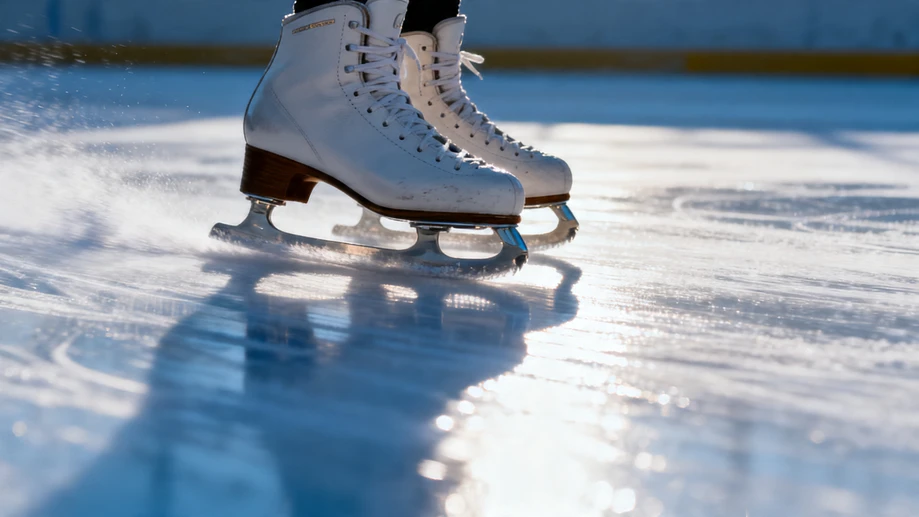
Figure skating stands as one of the most captivating events in the Winter Olympics, enchanting audiences with its seamless fusion of sport and performance. Originating in the late 19th century, it debuted in the 1908 Summer Games before becoming a Winter Olympics staple in 1924. The sport evolved from simple ice dances to complex routines, where skaters glide across pristine rinks under the glow of arena lights, embodying grace and precision. This historical journey highlights how figure skating transformed from a recreational pastime into a global spectacle, driven by innovations in equipment and choreography. Yet, beyond its visual appeal, the sport harbors deeper secrets—how does it balance raw athleticism with artistic expression? This question sets the stage for unraveling its enduring mystique.
Transitioning from history to the present, the rules and scoring system of figure skating reveal a meticulous framework that governs every competition. Governed by the International Skating Union (ISU), the sport employs a detailed judging protocol where skaters earn points for technical elements and program components. Technical scores assess jumps, spins, and footwork sequences, each graded on difficulty and execution, while presentation scores evaluate artistry, musical interpretation, and overall performance. For instance, a triple Axel jump might yield high points if landed cleanly, but deductions apply for falls or errors. This structured approach ensures fairness, yet it introduces an element of suspense—how do judges quantify the intangible beauty of a routine? The answer lies in years of refinement, making the system both a science and an art.
However, mastering these rules demands extraordinary physical and mental discipline, turning the spotlight to the rigorous training behind the scenes. Skaters spend countless hours on ice, honing techniques like jumps (e.g., Salchow or Lutz), spins, and intricate footwork under the watchful eyes of coaches. Training sessions often occur in early morning or late evening, utilizing natural light from rink windows to simulate competition conditions. Athletes build strength through off-ice workouts, focusing on flexibility and endurance to withstand the high-impact landings. This grueling regimen, however, comes with risks; injuries are common, requiring careful recovery. But here lies a twist: the artistry isn't just physical—it's a mental dance where skaters must synchronize movements with music, creating an emotional narrative that resonates with viewers. This blend transforms figure skating from mere sport to a storytelling medium.
Building on this foundation, figure skating's cultural impact extends far beyond the rink, shaping Olympic lore and global fandom. Memorable moments, such as record-breaking performances or dramatic comebacks, have cemented its status as a crowd favorite. The sport inspires films, documentaries, and community programs, promoting ice rinks as hubs for youth development. Its popularity surges during Winter Games, drawing millions of viewers who marvel at the elegance under pressure. This widespread appeal stems from its accessibility; anyone can appreciate the blend of athletic prowess and creative expression. As a result, figure skating fosters international camaraderie, with athletes from diverse backgrounds sharing the ice. Yet, this cultural significance raises a question: how does it adapt to changing times while preserving its essence? The answer unfolds in its evolutionary path.
Looking ahead, the future of figure skating promises innovation while honoring tradition, ensuring its place in the Olympic pantheon. Advances in technology, like high-definition broadcasts and social media, bring the sport closer to fans, offering new angles on spins and glides. Rule tweaks aim to enhance fairness, such as refining judging criteria to reduce subjectivity. Meanwhile, grassroots initiatives expand access, encouraging participation in colder climates where natural ice forms. Yet, challenges persist, including the need for sustainable rink operations and athlete safety. Ultimately, figure skating's mystique endures because it embodies human aspiration—pushing limits while creating beauty. As the next Winter Games approach, audiences will continue to wonder: what new secrets will unfold on the ice? This eternal curiosity fuels the sport's magic, making it a timeless highlight of the Olympics.