
Ever Wondered How Olympic Rhythmic Gymnastics Combines Dance and Sport?
Exploring the grace, flexibility, and precision behind the ribbons and hoops of this captivating Olympic event.
Witnessing Olympic rhythmic gymnastics is like observing poetry in motion. Athletes glide across the floor, seamlessly blending elements of ballet, dance, and acrobatics while manipulating apparatuses like ribbons, hoops, balls, clubs, or ropes. Unlike its artistic gymnastics counterpart, rhythmic gymnastics places a unique emphasis on elegance, continuous fluidity, and the harmonious relationship between the gymnast and her equipment. Every leap, pivot, and toss is choreographed into a breathtaking routine set to music, demanding not just athletic prowess but profound artistry.
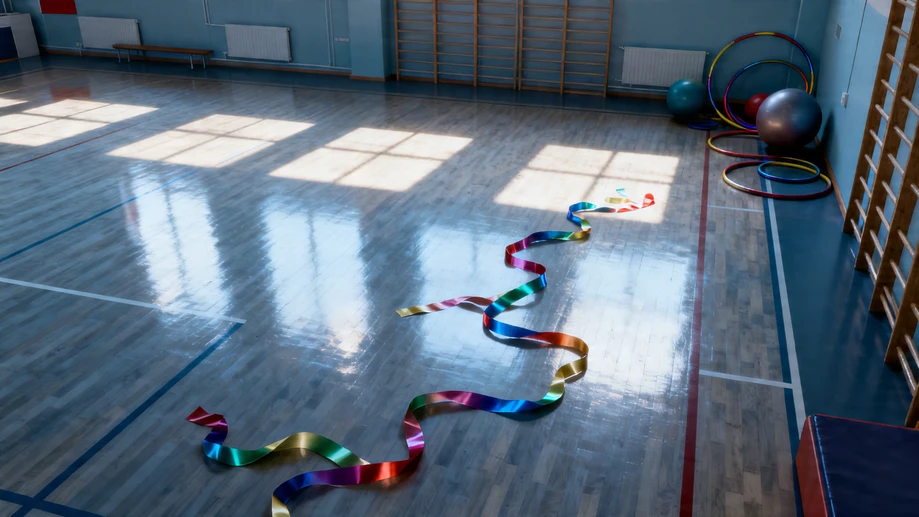
The evolution of the apparatuses themselves tells a story of refinement. The ribbon, perhaps the most iconic, has undergone changes in material and length to optimize its flow and visual impact. Modern ribbons are made of satin, attached to a slender, flexible stick. The hoop, once wooden, is now lightweight plastic, allowing for faster rotations and complex manipulations around the body. Each piece of equipment – the ball, clubs, and rope – presents distinct challenges, requiring years of dedicated practice to master the intricate throws, catches, rolls, and balances that define a world-class routine. Precision is paramount; a dropped apparatus incurs significant penalties.
Scoring in rhythmic gymnastics is a complex fusion of objectivity and artistry. Judges meticulously evaluate two main components: Difficulty (D) and Execution (E). The D-score quantifies the technical value – the number and complexity of body elements (jumps, balances, pivots) and apparatus mastery skills. Each element has a pre-determined value, and connections between elements can yield bonuses. The E-score, out of 10.0, assesses the quality of performance: flawless execution, expressiveness, musicality, and overall artistry. Deductions are made for mistakes like drops, instability, or technical imperfections. The highest and lowest scores for each panel are often discarded, aiming for fairness.
Behind the ethereal performances lies an extraordinary commitment to training. Elite rhythmic gymnasts often begin specialized training as young children, dedicating upwards of six hours a day, six days a week. Their regimen is grueling, encompassing intense flexibility training (achieving near-contortionist levels), strength conditioning (particularly core and leg strength for jumps), ballet for posture and grace, countless apparatus drills, and endless repetition of routines. The physical demands are immense, requiring resilience to withstand frequent overuse injuries. Yet, the mental fortitude needed to perform intricate routines flawlessly under Olympic pressure is equally critical.
Looking ahead, rhythmic gymnastics continues to captivate global audiences with its unique blend of sport and art. While dominated by female athletes at the Olympic level, participation is growing in men's rhythmic gymnastics internationally. Technological advancements, like motion capture analysis, are aiding in technique refinement and injury prevention. The sport constantly evolves, with gymnasts pushing boundaries by creating ever more complex and daring combinations. Its enduring appeal lies in this perfect storm: the breathtaking physicality, the mesmerizing artistry, and the sheer dedication required to make the difficult look effortlessly beautiful on the world's biggest stage.